Get in touch
If you have any questions about our machines, or interest in setting up a new machining process. Our expert team are more than happy to help.
Kingsbury offers advanced aerospace machining solutions for manufacturers producing high-precision components across the civil and defence aerospace sectors. From structural airframe components to complex engine parts, our aerospace machining technologies help manufacturers achieve exceptional accuracy, productivity and material integrity.
Incorporating the latest technology, our aerospace machining solutions are designed for demanding materials including titanium, aluminium, nickel alloys, high-alloy steels and composite materials.
Our solutions cover the complete array of geometries, sizes and volume requirements from the smallest to the largest components. The addition of our newest range of grinding machines addresses the requirement for harder materials where conventional cutting is not possible, achieving high accuracy of shape and dimension and a high surface quality.
Our range of aerospace machining solutions supports the production of precision components across a wide range of applications, including airframes, propulsion systems, rotative parts, landing gear and aircraft interiors. Designed for high-performance aerospace CNC machining, our machine tools process everything from composite materials to high-alloy steels, delivering the accuracy, repeatability and reliability demanded by the aerospace industry.
The aerospace sector has been at the forefront of manufacturing innovation for a long while, constantly adopting new technologies and machining techniques to improve productivity and precision.
A research coordinator at the UniversityThe Hermle was chosen from a variety of different makes and configurations of machining centre, as it offered the best volumetric positioning accuracy, verified during acceptance trials at between one and two microns.
The faculty of engineering at a leading university in the UK carries out research projects for aerospace companies and the medical sector. Additionally, bespoke test rigs are manufactured for research conducted in various other faculties across the campus, and in other UK universities. The machine shop also provides a practical resource for post-graduates studying for an MSc or PhD in engineering.
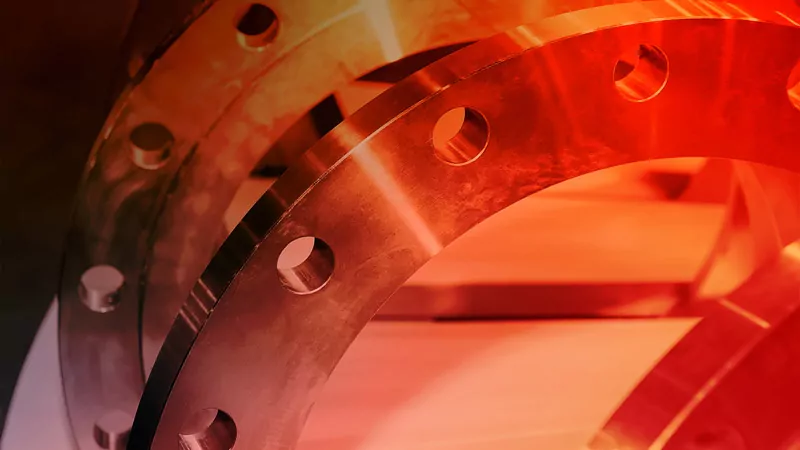
What are heat-resistant alloys? Heat-resistant alloys are highly re...
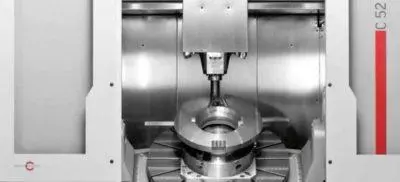
A flexible manufacturing system (FMS) for producing small to medium...
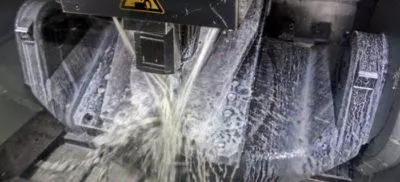
Hermle twin-pallet machining centre from Kingsbury chosen for finis...
If you have any questions about our machines, or interest in setting up a new machining process. Our expert team are more than happy to help.