Get in touch
If you have any questions about our machines, or interest in setting up a new machining process. Our expert team are more than happy to help.
Additive manufacturing is a revolutionary approach to component manufacture. Inherently flexible, it opens up manufacturers to designs not possible with standard production methods.
We offer a complete end-to-end production solution for subtractive and additive manufacturing from a single source.
The adoption of additive manufacturing can be a big step for a business. At Kingsbury, we work with our customers to enable them to understand which additive manufacturing process best suits their needs.
Unlike the more common metal powder additive manufacturing processes, WAAM works by melting metal wire using an electric arc as the heat source.
The wire is melted and extruded in the form of beads on the substrate. This process produces parts of a near net shape which can then be CNC machined for optimal surface finish and dimensional accuracy.
The WAAM process uses standard welding wire – making it the most cost-effective metal additive manufacturing process available today.
Wire Arc Additive ManufacturingATLIX offers production-ready metal additive manufacturing systems based on laser powder bed fusion (LPBF) technology, originating from the former TRUMPF Additive Manufacturing division. LPBF is a process in which thin layers of metal powder are selectively melted and fused using high-precision lasers to build fully dense metal components layer by layer.
Metal additive manufacturing using ATLIX systems provides a cost-effective production alternative for a wide range of industrial applications. This is particularly relevant where conventional manufacturing struggles with long lead times, complex assemblies, or high tooling and rework costs. The technology enables complex geometries, internal features, and part consolidation that are not feasible with conventional machining, allowing multiple components to be combined into a single build. By reducing part count and assembly steps, manufacturers can lower operational risk, improve repeatability, and shorten time from design to production.
This supports efficient production across industries such as aerospace, automotive, energy, and industrial manufacturing. For organisations under pressure to increase throughput while controlling cost and dependency on skilled labour, LPBF presents a viable alternative to traditional subtractive approaches.
ATLIX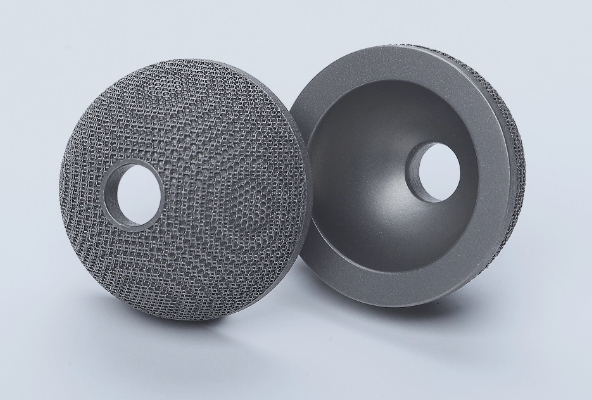
The medical technology (MedTech) industry has been recognised for i...
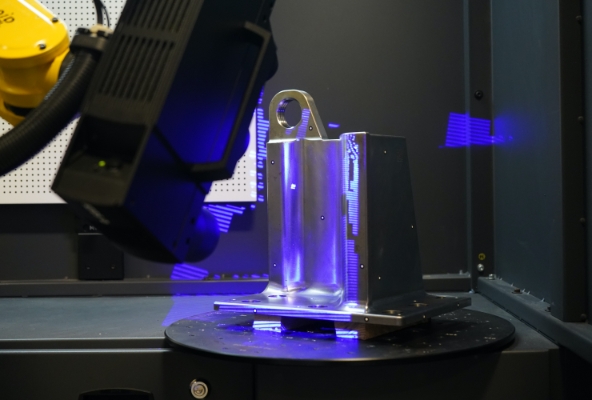
Unplanned maintenance and repairs are major reasons for downtime ac...
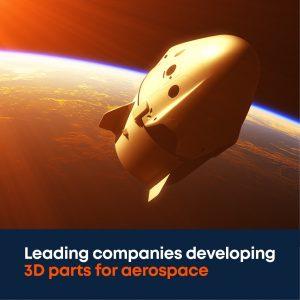
In recent years, additive manufacturing (AM) has been in developmen...

Kingsbury are proud to be featured in the official publication for ...
If you have any questions about our machines, or interest in setting up a new machining process. Our expert team are more than happy to help.